GNHR strengthens partnership with development agencies for expanded coverage
New partnership agreements to extend registry operations into underserved communities across the country.
Ghana's Social Protection Registry
The GNHR provides a single, credible national register to identify and support the poor and vulnerable households across all 16 regions of Ghana.
0
Households Registered
0
Household Population
0
Districts Covered
0
Communities Reached
About GNHR
Established under the Ministry of Gender, Children and Social Protection, GNHR uses a Proxy Means Test methodology to classify households, ensuring objective, transparent, and data-driven beneficiary selection for social protection programmes.
A unified database with over 2.9 million household records for evidence-based social protection targeting.
Community-driven data collection with public verification to ensure accountability and accurate information.
Proxy Means Test methodology classifies households into welfare categories for beneficiary selection.
Continuous public education and community engagement to build trust and ensure Household level data collection.
Data at a Glance
0
Households
0
HH Population
0
Extreme Poor
0
Absolute Poor
3.87
Avg. HH Size
0
Communities Enumerated
0
Non-Poor Households
255 Districts
Across 16 Regions of Ghana
Coverage Distribution by District Tiers
Number of districts in each GNHR household coverage band · Total 255 districts
| Region | Extreme Poor | Poor | Non Poor | Total HH |
|---|---|---|---|---|
How It Works
From community entry to social protection delivery, our structured process ensures accuracy and transparency.
Engagement with local authorities and community leaders to sensitize and prepare for data collection.
Trained enumerators collect household data using tablets with both offline and online capability.
Four-tier verification process ensures data integrity through field checks, supervision, and community validation.
Cleaned data undergoes PMT classification to rank households by welfare status for targeting.
Data is securely stored in the national registry, enabling authorized access and interoperability.
Validated Household data supports LEAP, school feeding, health insurance, and other Social Protection programmes.
Government agencies, development partners, and researchers can request access to GNHR data for social protection planning and evidence-based policy making.
Complete the data request form online — no downloads needed. Provide your organisation, data type, and purpose.
Your request is sent directly to the GNHR data management team for review and compliance checks.
Upon approval, data is shared securely with usage guidelines and a data sharing agreement within 10 working days.
Latest Updates
New partnership agreements to extend registry operations into underserved communities across the country.
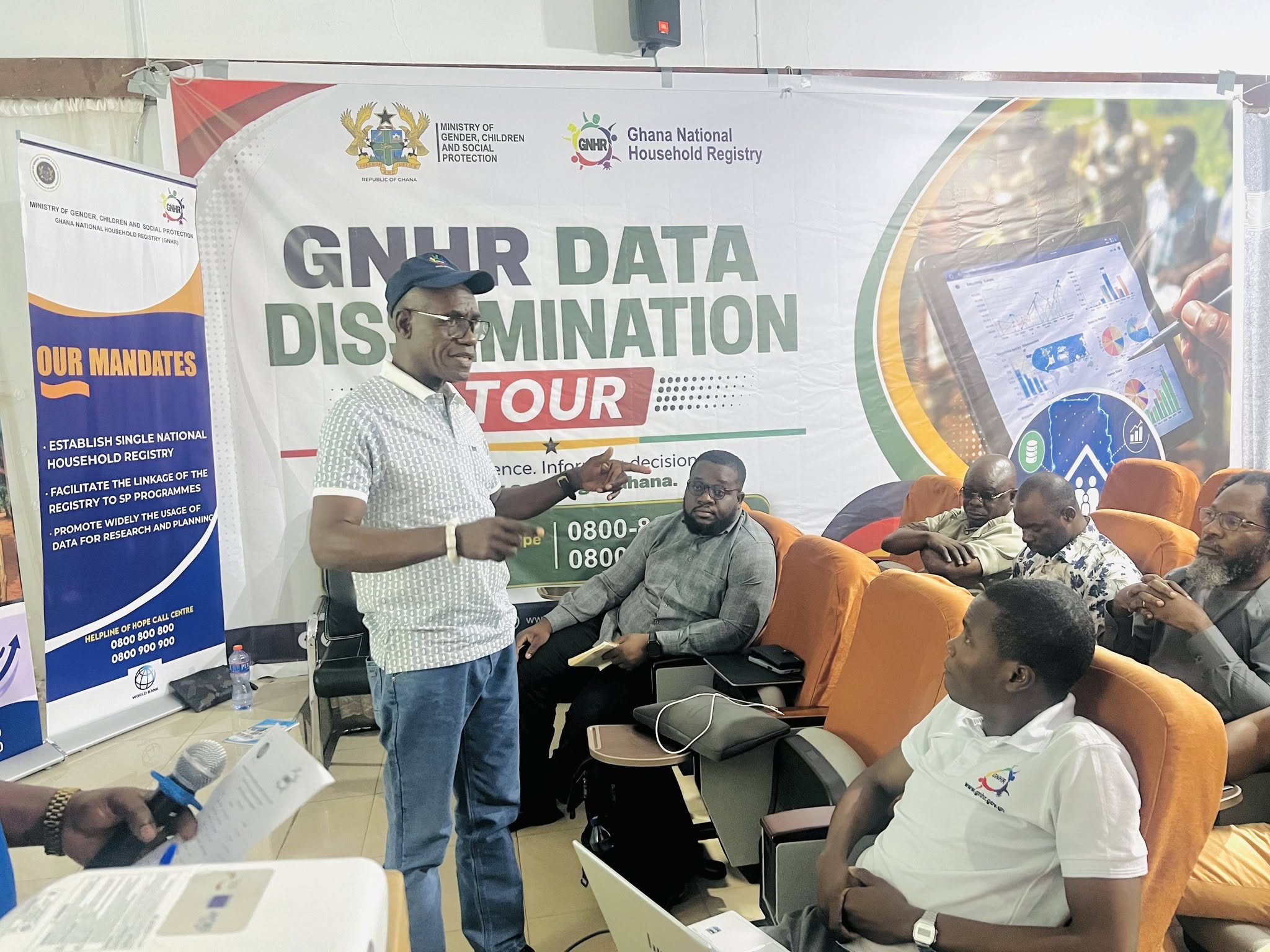
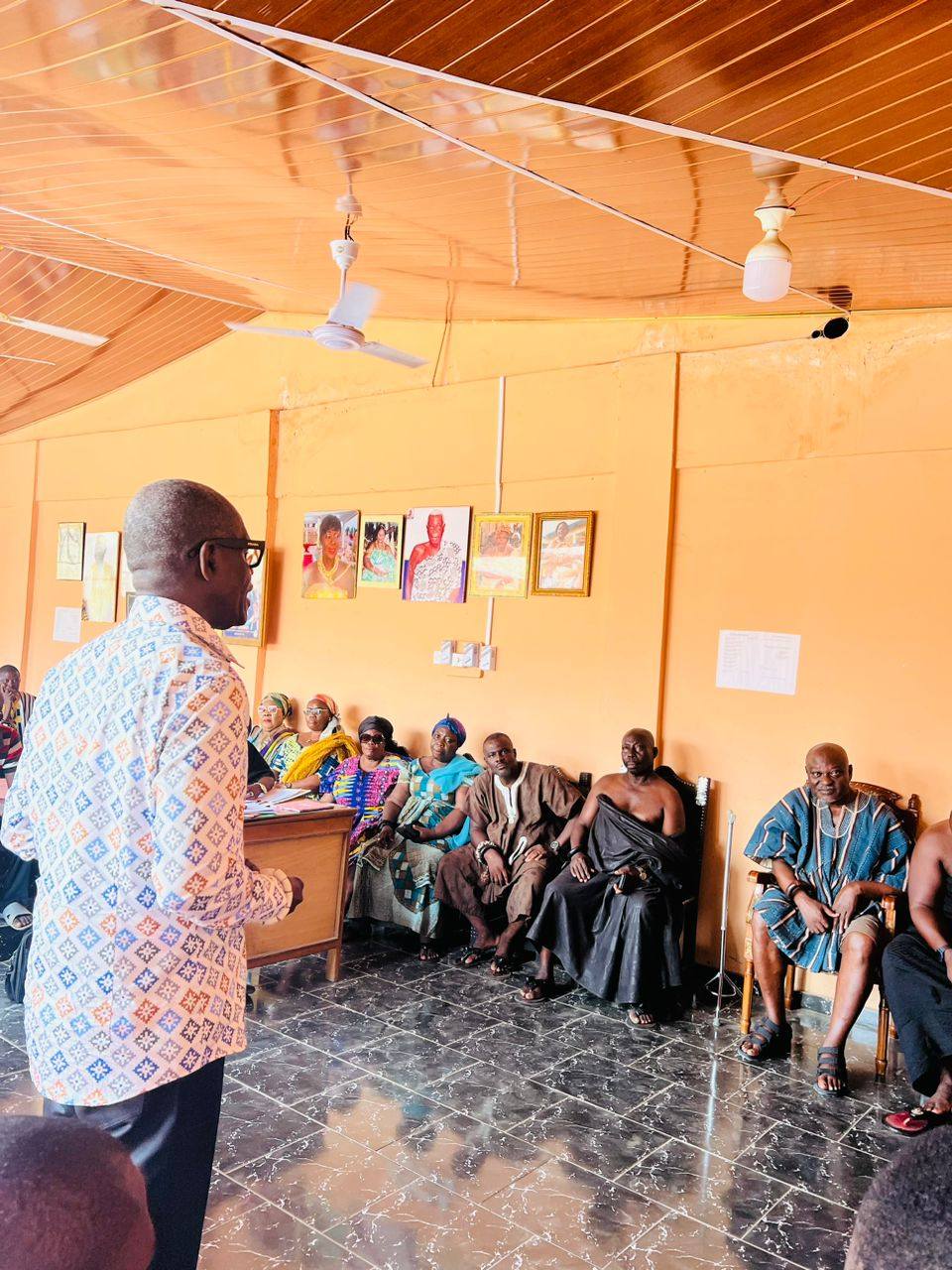
The Ghana National Household Registry has commenced engagements with traditional authorities in the remaining regions where data collection is yet to take place.
The Ghana National Household Registry successfully organized a training session for selected Quality Assurance Officers to enhance data collection standards.
Our Partners
Helpline of Hope
Ghana National Household Registry (GNHR) Toll Free